
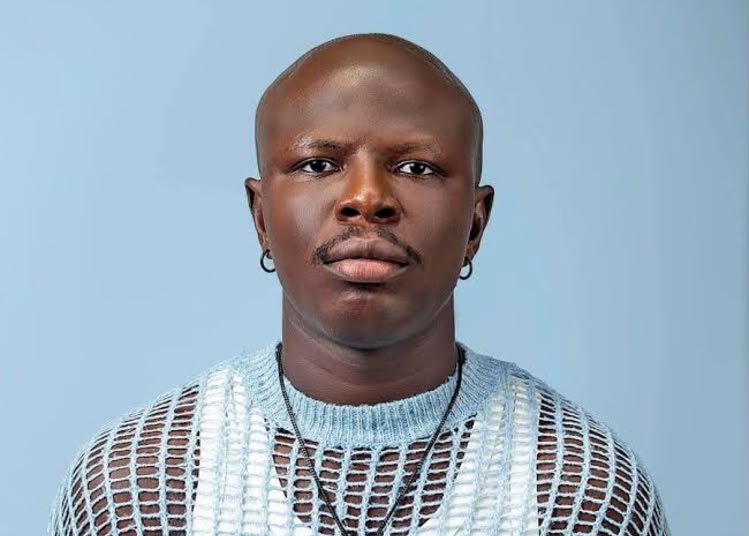
On 21 August 2026, Justice Akintayo Aluko of the Federal High Court in Lagos granted bail to Ridwan Abiola, the musician known as Rolex Dee, in Federal Republic of Nigeria v. Ridwan Abiola. We acted in the case. The reason we took it is not that we have a view about a quarrel between two musicians. It is that the quarrel was routed through the Cybercrimes Act.
The case
Mr Abiola was arrested and detained by the police over statements he was alleged to have made about the Fuji musician Taye Currency during a public programme, which then circulated online. The allegations against him included cyberbullying, defamation of character and threats to life. The matter was subsequently brought before the Federal High Court in Lagos.
We take no position on what was said or whether it was true. That is not the issue, and treating it as the issue is how these cases get waved through.
What the Cybercrimes Act was for
The Cybercrimes Act 2015 was enacted to give Nigeria a legal framework for preventing, detecting and prosecuting offences committed through computer systems and digital technologies: unauthorised access, identity theft, online fraud, cyberstalking and certain forms of harassment, together with the machinery to investigate them.
Those are real harms and the Act has real work to do. What it was not built for is the conversion of every insult, every grievance and every public falling-out into a criminal file, simply because the words involved passed through a phone.
If a statement is false and damaging, the law of defamation already provides a remedy, and the person injured is free to pursue it. What the criminal law adds is not justice. It is custody before anything has been proved.
Why this is a pattern, not an incident
Mr Abiola’s prosecution belongs to a longer sequence in which Nigeria’s cybercrime legislation has been used to criminalise online expression. We are supporting the defence of the journalist Stanley Ugagbe, held at Kuje since July on six counts, four of them under the same Act. We have called for the discontinuance of the prosecution of the influencer known as Justice Crack, charged under section 24 over posts about how soldiers are fed.
A journalist, an influencer and a musician. Three people with nothing in common except that what they said online became a matter for the police rather than for a civil court. That is the pattern, and it is why we did not treat this one as somebody else’s problem because the speaker happened to be a musician rather than a reporter.
The principle is not a comfortable one to defend, and that is rather the point. A protection that only extends to speech we admire is not a protection at all.
Where it stands
Bail means Mr Abiola is out of custody. It does not mean the case is over, and we will continue to act as it proceeds.
This work sits within our focus on Digital Rights & Freedom and Free Speech, and forms part of our wider resistance to the misuse of cybercrime and defamation law. You can read more about our approach to strategic litigation and policy advocacy, or report a case to us.