Access to justice is easy to state as a principle and expensive to deliver as a service. Someone arrested for a story they published, or for where they chose to stand on a particular afternoon, does not need a statement of principle. They need a lawyer that week, and most of them cannot pay for one. Closing that gap is what our legal aid work exists to do.
Who we act for
We provide legal assistance to journalists, bloggers, human rights defenders, protesters and other individuals facing unlawful arrest, detention, harassment or prosecution arising from the exercise of their fundamental rights and their digital civic engagement.
That is a narrower promise than it sounds. It is not general legal aid. It is aid for people whose trouble began with something they published, posted, organised or attended – the point at which expression turns into a criminal file.
The experience behind the offer
The work is delivered by our Executive Director, Festus Ogun, together with the lawyers on our team and the counsel we collaborate with, among them Senior Counsel Jacob Sule, Collins Okeke and Oghenefejiro Omoru. Between them, that team’s public interest litigation experience includes:
- Representing Daniel Ojukwu after his arrest and detention by the Nigeria Police Force in May 2024 over a published investigative report concerning alleged financial mismanagement and questionable contract procurement at the Office of the Senior Special Assistant to the President on Sustainable Development Goals.
- Acting for the blogger Olamilekan Hammed, arrested in 2022 by the State Security Service.
- Acting for Omoyele Sowore in proceedings arising from the decision of the Lagos State Commissioner of Police to declare him wanted over a planned protest.
- Acting for Robert Kpanou and hundreds of other victims of rights violations arising from the #EndSARS protests of October 2020.
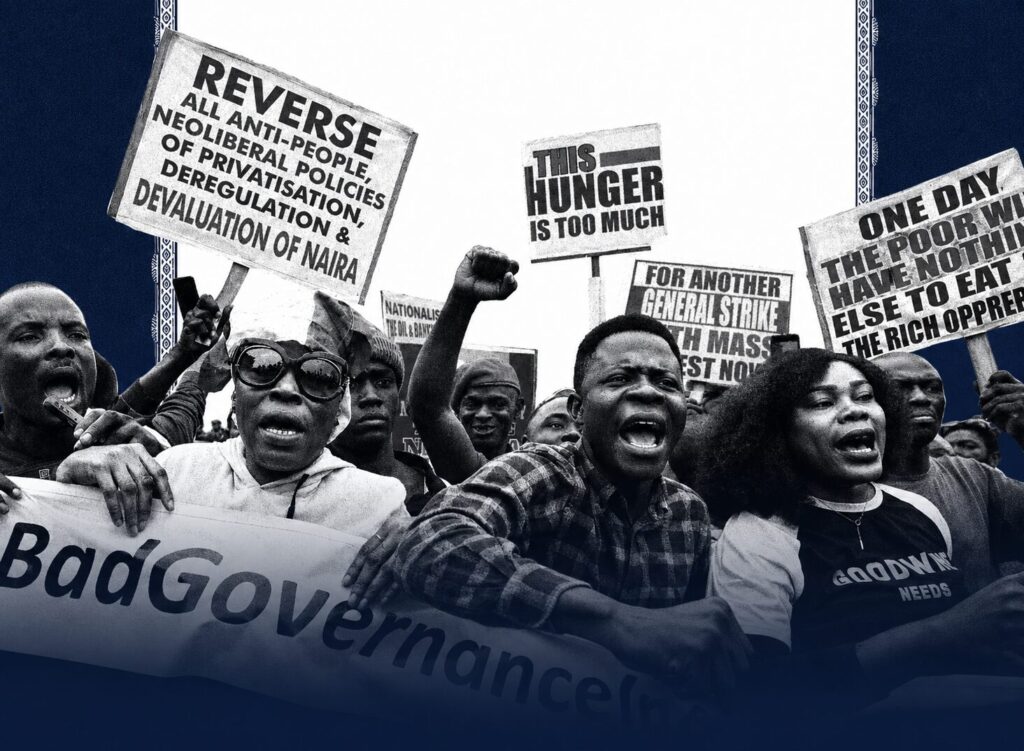
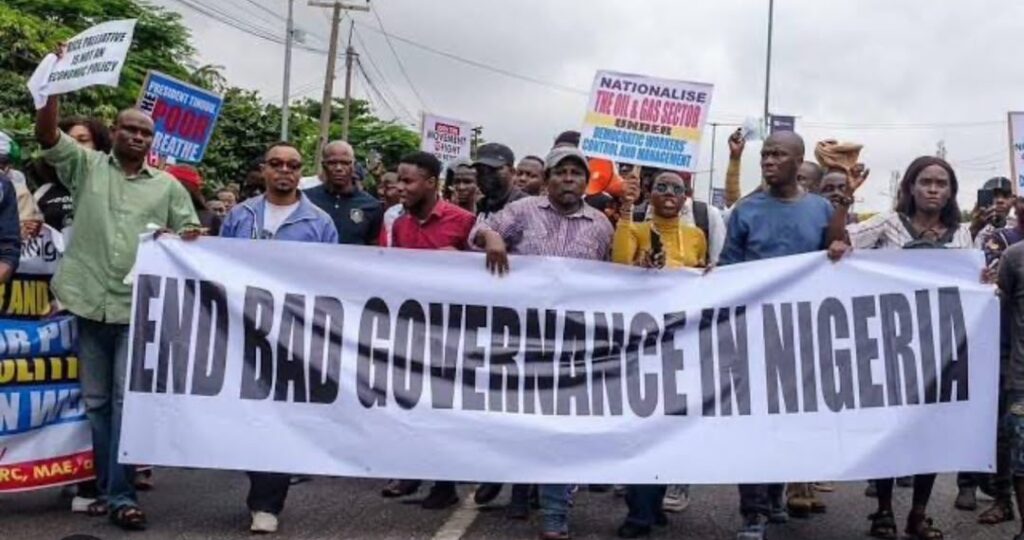
- Acting for individuals arrested during the #EndBadGovernance protests across Nigeria, including children who were charged with treason.
A right you cannot afford to enforce is a right you do not really have. Legal aid is the difference between the two.
Why this sits at the centre of the work
Almost every case above began the same way: someone said something, published something, or turned up somewhere, and the machinery of the state responded with an arrest rather than an argument. The charge sheet is the message, and the months before trial are the punishment, whatever the eventual verdict.
That is why we treat representation as inseparable from advocacy. Getting one person out of custody matters enormously to that person. Changing the provisions that put them there is what stops the next arrest, which is why our litigation, our policy work and our public education draw on the same body of cases.
This work runs through several of our focus areas, in particular Access to Justice & Reforms, Free Speech, Digital Rights & Freedom and Protest & Online Organizing.
Still open
The need has not receded. We are currently supporting the defence of Stanley Ugagbe, held at Kuje since July over three published reports, and we have called for the discontinuance of the prosecution of the influencer known as Justice Crack.
If you are a journalist, blogger, organiser or protester facing arrest or prosecution over something you published or attended, you can report a case to us.
You can read more about how this fits with the rest of what we do on our Our Work page.